
Blogs
2026-05-29
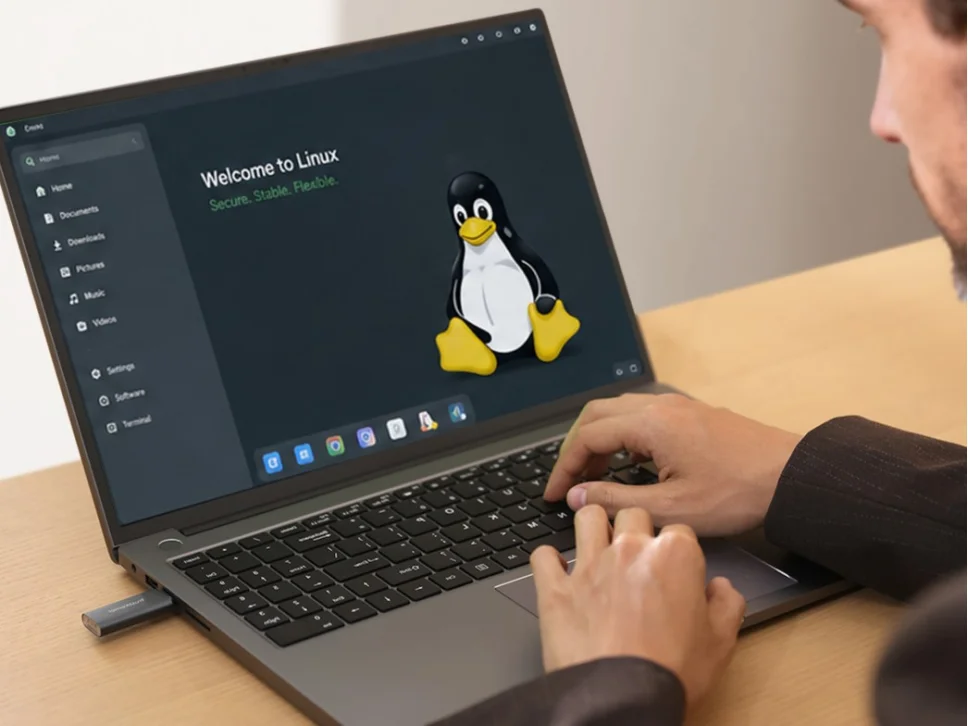
Set Up a Dedicated Android Environment on Your Linux Computer in 5 Minutes
Set up a secure, dedicated Android environment on Linux in 5 minutes with PlugMate. Enjoy plug-and-play setup, hardware isolation, and chip-level security.
2026-03-23
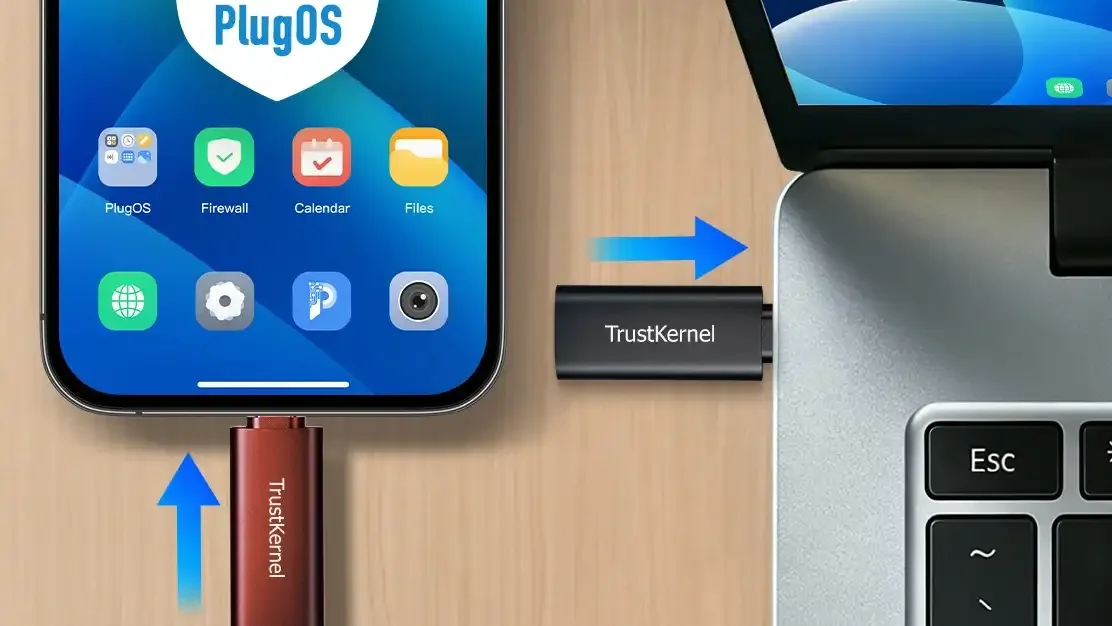
PlugOS: Rethinking Mobile Security by Decoupling the Secure OS from Smartphone Hardware
PlugOS is a hardware-isolated Android OS that runs on a portable device, delivering a fully encrypted private workspace on any phone or computer. Carry your secure environment anywhere and leave no trace behind.
2026-02-10
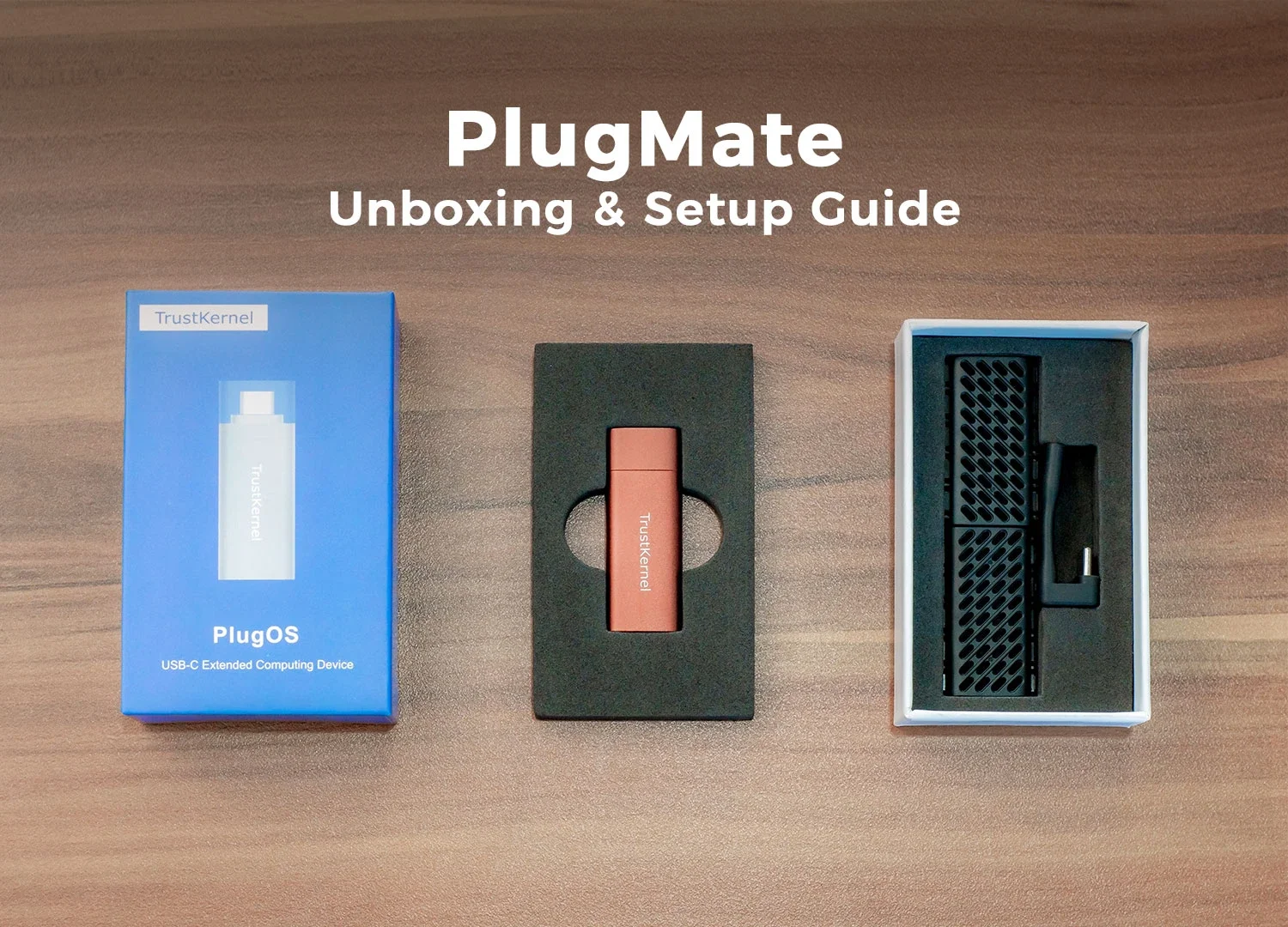
PlugMate Unboxing & Setup Guide
PlugMate Unboxing Instructions, Use with Confidence
2026-01-28
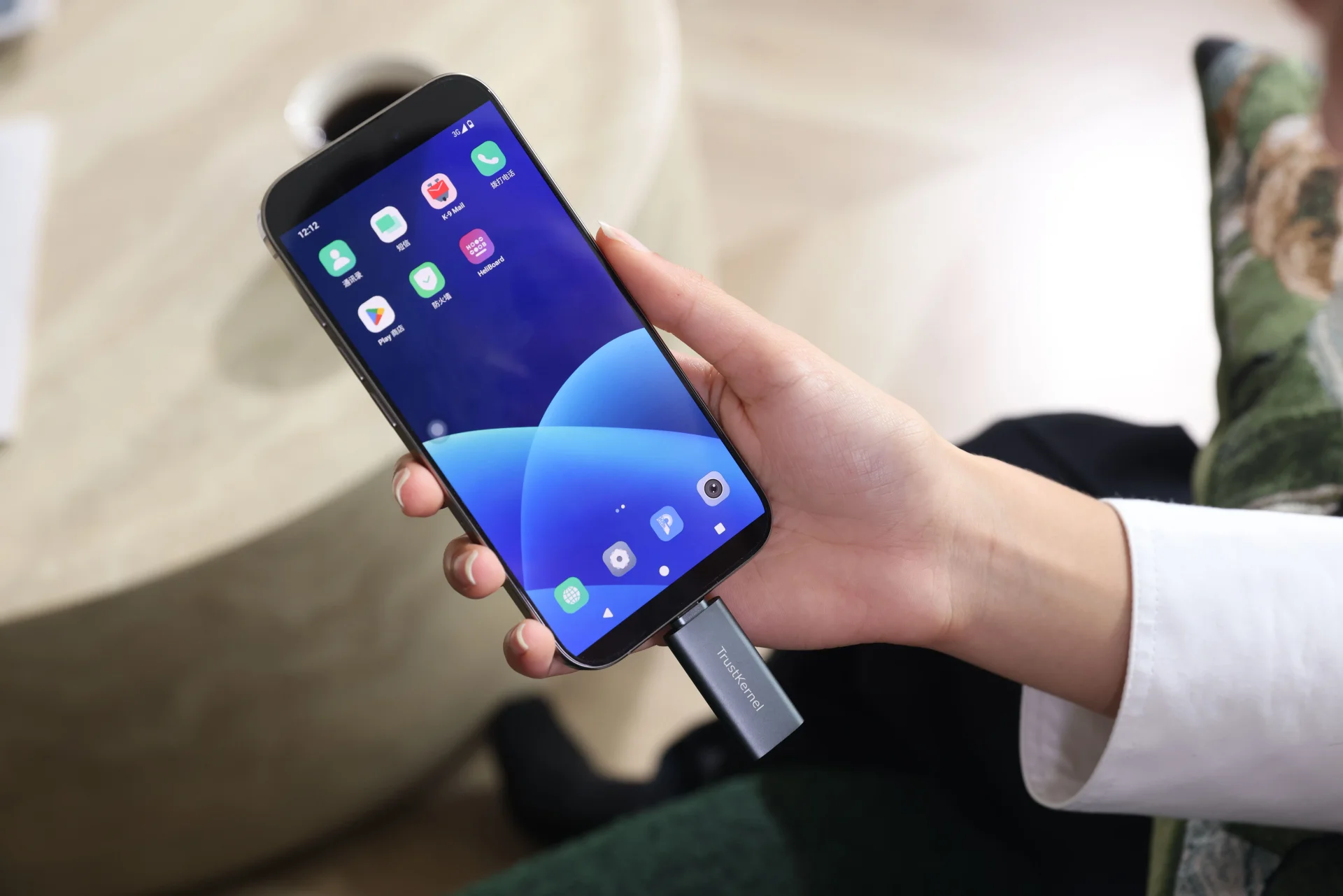
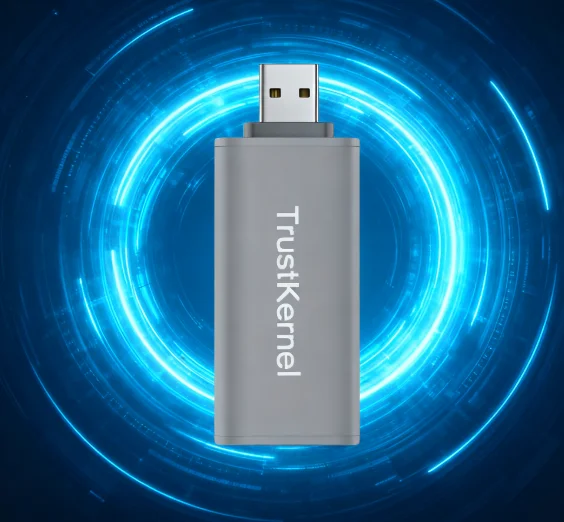
PlugOS: iPhone Running Android, No Jailbreak?
PlugMate runs Android without disrupting the iPhone’s native system architecture. Data from both systems is stored in complete isolation, and switching between them is seamless, with automatic state saving and restoration—responding in milliseconds, as quick as a blink
2025-09-12
How PlugOS Becomes Your "Second Mobile Phone"
This article explains how PlugOS achieves the role of a truly portable "second phone" by balancing portability, core functions, seamless interaction, optimized hardware, differentiated privacy features, and ecosystem compatibility.
2025-09-08
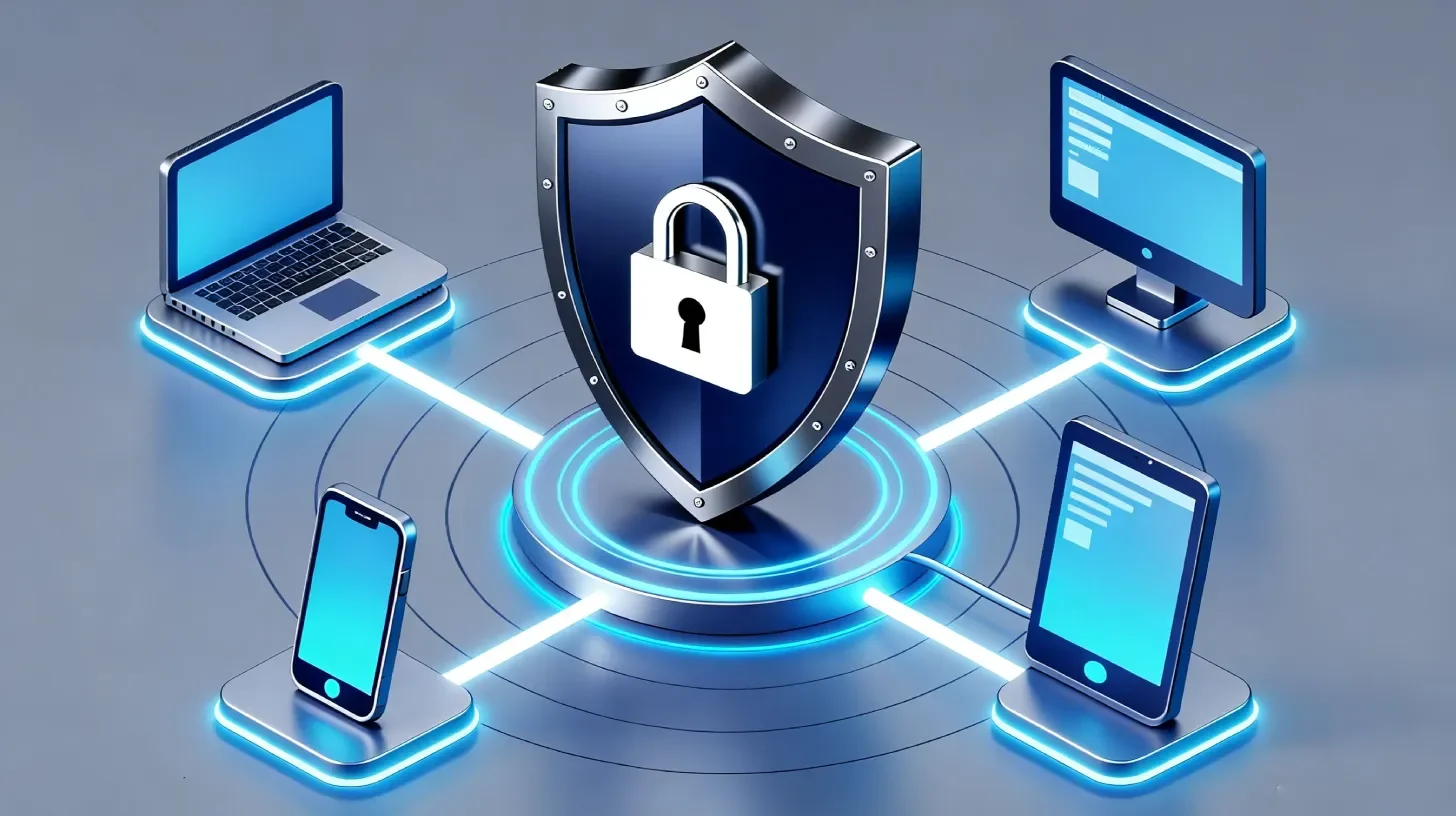
PlugOS Multi-Device Security Management
This article introduces how PlugOS helps you precisely control multi-device access permissions through three core security mechanisms - Product Key, Device Authorization List, and One-Time Password - effectively preventing data leakage and ensuring privacy security.
2025-09-08
PlugOS AppStore:A Clean, Secure, and Reliable App Library Built for You
The PlugOS AppStore is dedicated to providing users with a clean, secure, and reliable app download experience. Every app is rigorously reviewed—ad-free, tracker-free, and with reasonable permissions—helping users save time, protect their privacy, and enjoy a more efficient and worry-free experience.
2025-08-30
The Kill Switch - How PlugOS Protects Your Digital Sovereignty with Data Self-Destruct
This article explains PlugOS's two hardware-level self-destruct mechanisms—Brute-force Self-Destruct and Duress Password Self-Destruct—helping users protect digital assets and personal privacy in case of device loss, theft, or coercion, ensuring true digital sovereignty.
2025-07-29
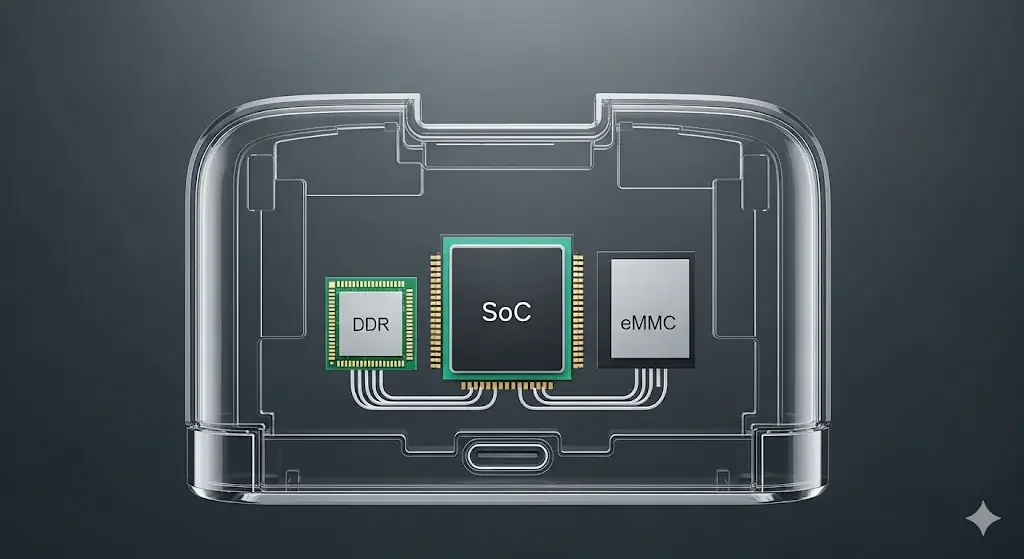
Why PlugOS Chose to Remove All Physical Sensors
PlugOS eliminates all physical sensors at the hardware level and leverages sensor virtualization to provide standardized data within a secure sandbox, preventing device fingerprinting and privacy tracking while delivering functional and secure user experience.
2025-06-18
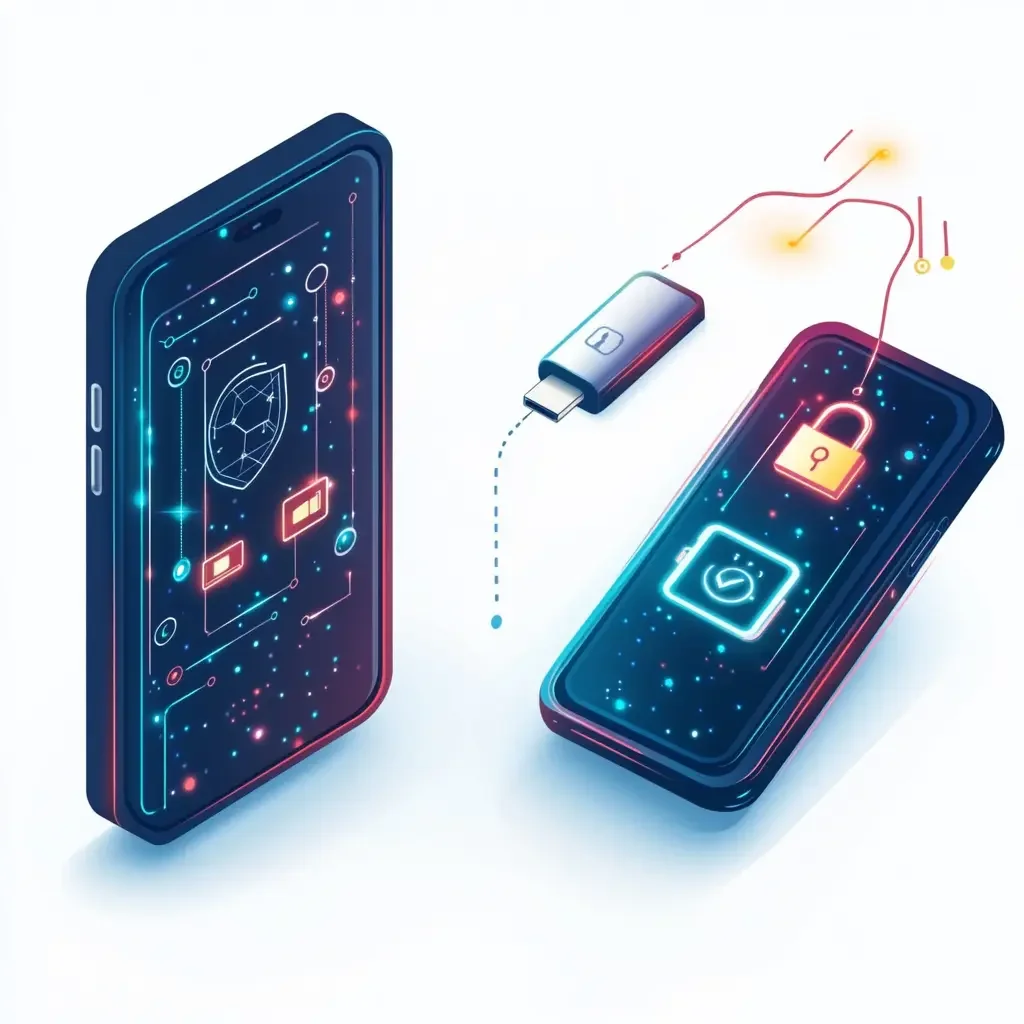
Comparison of PlugOS and Traditional Secure Private Phones
This article provides an in-depth comparison between PlugOS and traditional privacy-focused phones such as GrapheneOS and CalyxOS. It systematically analyzes differences in security philosophy, product form, technical architecture, and use cases, highlighting PlugOS's advantages in zero migration cost, cross-ecosystem compatibility, and minimized attack surface.
2025-04-11
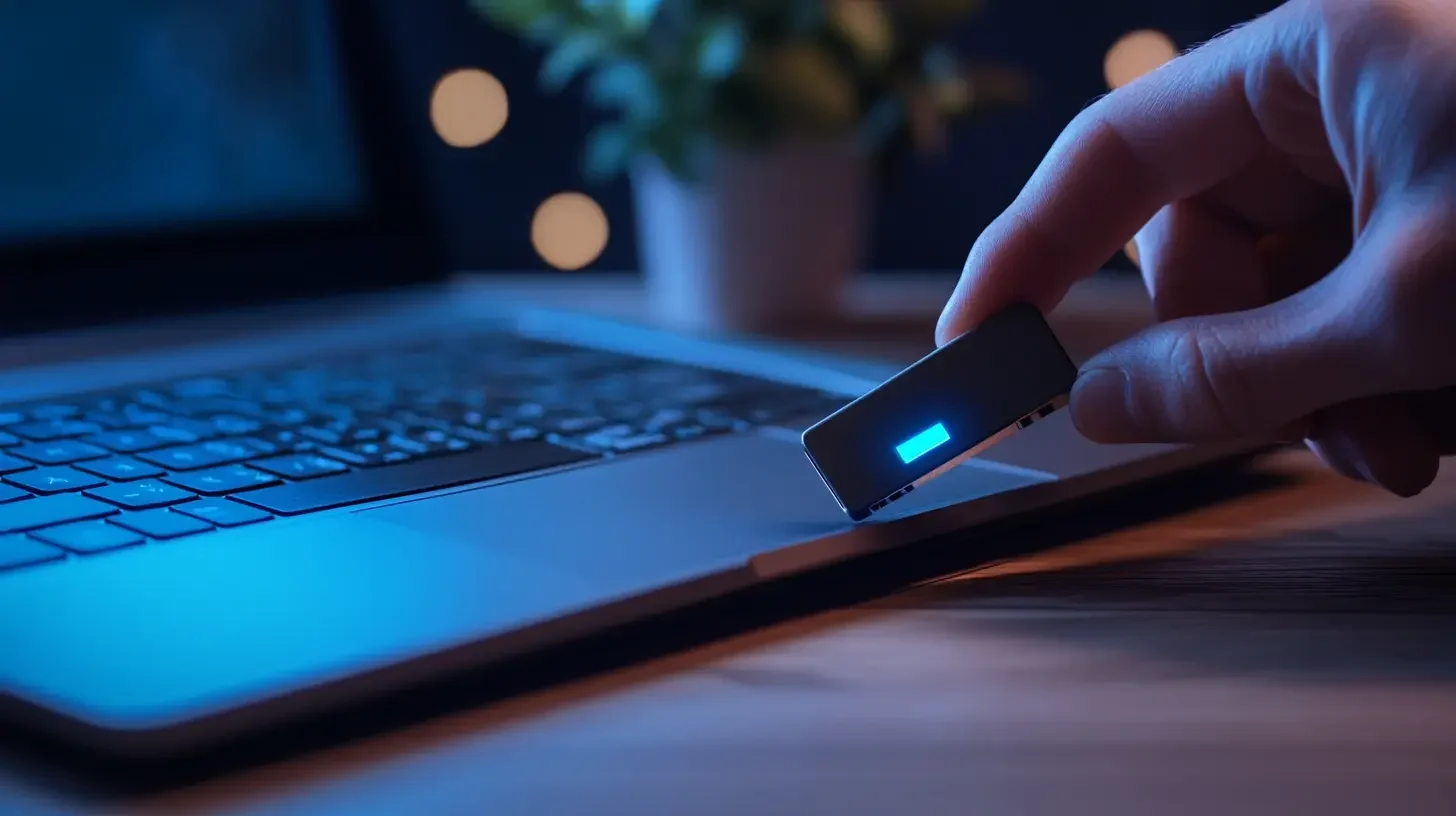
PlugOS vs. Tails OS - Rethinking Portable Privacy Systems
This article provides a systematic comparison between PlugOS and Tails OS, two representative privacy-focused operating systems. While Tails OS relies on host hardware and a temporary "amnesic" model for anonymity, PlugOS introduces a hardware-enclave-based architecture with independent processing and storage. Offering stronger isolation, cross-platform compatibility, and enhanced physical security, PlugOS not only covers Tails' use cases but also demonstrates generational advantages, positioning itself as the future paradigm of personal trusted computing.
2025-03-20
The Hidden Cost of Smartphones —— When OS Becomes a Data Hunter
Smartphone operating systems have shifted from tools to data harvesters, silently collecting communications, location, and behavioral data. This article exposes the hidden cost and introduces PlugOS—an independent hardware-based OS that rebuilds digital sovereignty through physical isolation, system-level firewalls, and user-first design.
- 1
- 2
Subscribe: Get latest security insights and exclusive updates early
 PlugMate — Smart & Portable Privacy-Controlled Device
Secure, Ad-free, Tracking-free, No Telemetry
Copyright © 2024-2026 TrustKernel
Privacy Policy | User Service Agreement