2026-08-12
К середине 2026 года конфиденциальность данных стала одной из самых зрелых и значимых сфер технологического регулирования в мире. 172 страны — 79 % всех государств — теперь применяют законы о защите данных, что резко выше примерно 100 стран в 2015 году. Такое почти повсеместное принятие отражает десятилетие стремительного законодательного прогресса после влияния GDPR ЕС в 2018 году. Однако главный вызов сместился: с принятия новых законов на управление сложными, пересекающимися регуляторными режимами, усиление правоприменения и решение возникающих рисков, таких как обработка данных с помощью ИИ.
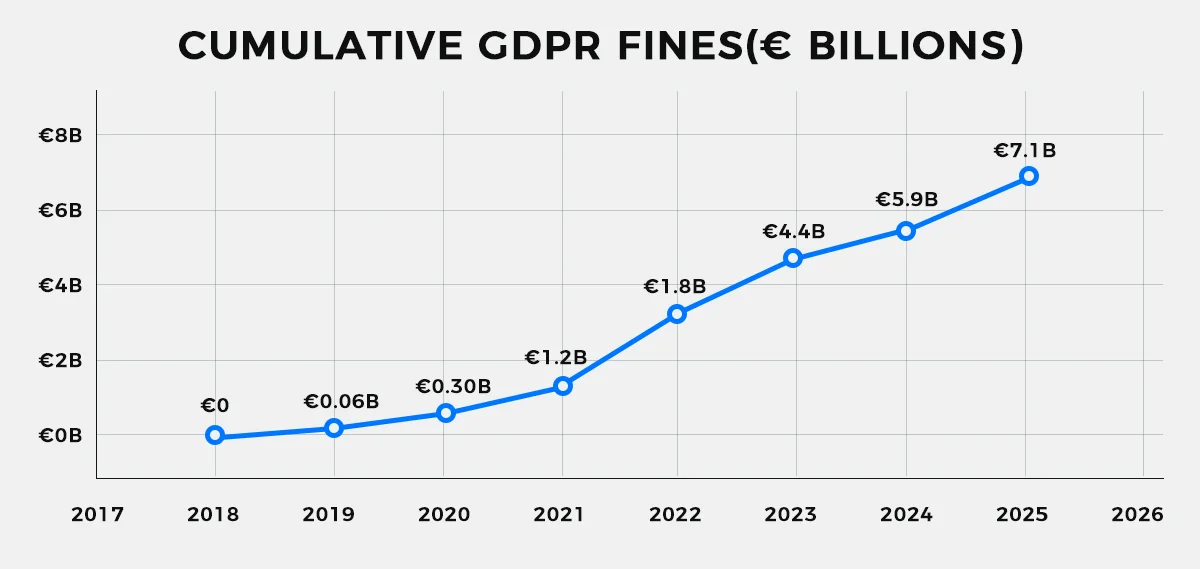
Финансовые и операционные ставки высоки. Регуляторы GDPR выписали в общей сложности 7,1 млрд евро штрафов с мая 2018 года — рост на 21 % по сравнению с прошлым годом. Организации сталкиваются со средней стоимостью утечек данных, усугублённой сбоями в соблюдении требований, в то время как потребители всё чаще учитывают приватность при принятии решений о покупке. Инвестиции в приватность, тем временем, демонстрируют высокую отдачу для большинства организаций. Этот расширенный обзор объединяет ключевые статистические данные по глобальному законодательству, моделям правоприменения, событиям в США, отношению потребителей, экономике соблюдения требований, специфическим рискам ИИ и отраслевым различиям, опираясь исключительно на данные исходной статьи и перекрёстную информацию.
Ⅰ. Глобальный регуляторный ландшафт: широкое принятие при устойчивой фрагментации
A. Принятие глобального законодательства о защите данных
К 2025 году 172 страны приняли законы о защите данных или приватности, охватывающие 79 % государств мира, согласно исследованию Greenleaf 2025 года. Ускорение после GDPR примечательно: только в 2023–2024 годах 12 новых стран ввели законы. Это обеспечивает защиту приватности для подавляющего большинства мирового населения, хотя качество применения и интенсивность правоприменения значительно варьируются.
B. Основные законы и рамки приватности
Ключевые принципы повторяются во всех рамках: законное основание для обработки (часто согласие), ограничение цели, минимизация данных, меры безопасности и индивидуальные права, такие как доступ, исправление и удаление.
Основные примеры вне ЕС:
● Бразильский LGPD (действует с 2020 года): во многом повторяет структуру GDPR, с национальным органом (ANPD), активизировавшим деятельность с 2022 года. Штрафы могут достигать 2 % выручки.
● Китайский PIPL (2021 год): предусматривает самые строгие меры контроля вывода данных, требуя оценки безопасности для многих трансграничных передач и вводя штрафы до 50 млн юаней.
● Южноафриканский POPIA (2021 год): самая сильная рамка в Африке, с ростом мер правоприменения с 2023 года.
● Индийский DPDPA (принят в августе 2023 года): охватывает 1,4 млрд человек, но имеет более узкий охват, чем GDPR, — без права на переносимость данных и с более ограниченными ограничениями на доступ правительства. Штрафы до ₹250 крор.
● Саудовский PDPL (2023 год): ведущая рамка в регионе ССАГПЗ.
C. Проблемы регуляторной фрагментации
76 % директоров по информационной безопасности называют это своей главной проблемой (WEF Global Cybersecurity Outlook 2025). Многонациональная компания, работающая в десятках юрисдикций, должна ориентироваться в противоречивых требованиях относительно согласия, локализации данных, сроков уведомления об утечках и индивидуальных прав. Эта сложность напрямую повышает затраты: данные IBM показывают, что сбои в соблюдении требований добавляют в среднем 1,22 млн долларов к расходам на устранение утечек данных через дополнительное восстановление, уведомления, юридические сборы и обязательные улучшения.
D. GDPR как глобальный эталон
GDPR продолжает служить мировым золотым стандартом благодаря экстерриториальному охвату (применяется к организациям, обрабатывающим данные жителей ЕС по всему миру) и максимальным штрафам в размере 4 % глобального годового оборота или 20 млн евро (в зависимости от того, что больше). Другие режимы во многом заимствуют его принципы, адаптируя их к местным условиям.
Ⅱ. Правоприменение GDPR: рекордные штрафы, всплеск уведомлений и модели правоприменения
A. Тенденции правоприменения GDPR
Правоприменение GDPR превратилось в последовательный и всё более жёсткий режим. Накопленные штрафы достигли 7,1 млрд евро на январь 2026 года — рост на 21 % с 5,88 млрд евро годом ранее. Всего выдано 2679 штрафов в ЕС/ЕЭЗ. Впервые власти зафиксировали более 400 уведомлений об утечках персональных данных в день — рост на 22 % в годовом выражении, что соответствует более 146 000 ежегодных отчётов.
B. Глобальное регуляторное правоприменение
Комиссия по защите данных Ирландии (DPC) доминирует по сумме штрафов, выписывая около 3,5 млрд евро (примерно 49 % от общего объёма). Это связано с её ролью в надзоре за европейскими штаб-квартирами крупных технологических фирм, включая Meta, Google, TikTok, LinkedIn и Apple. Испания лидирует по количеству с 1033 штрафами на 123 млн евро. Италия зафиксировала 467 штрафов на 277 млн евро. Нидерланды возглавляют уведомления об утечках с 39 773 в год, за ними следуют Германия (34 467) и Польша (19 065).
C. Наиболее частые нарушения приватности
К распространённым категориям нарушений относятся:
● Недостаточные технические и организационные меры безопасности (86 штрафов)
● Несоблюдение общих принципов обработки данных (74 штрафа)
● Недостаточное правовое основание для обработки (73 штрафа)
Эти модели дают чёткие приоритеты соответствия: надёжные механизмы безопасности, задокументированные цели обработки и прочные правовые основания.
D. Крупнейшие штрафы за нарушение приватности
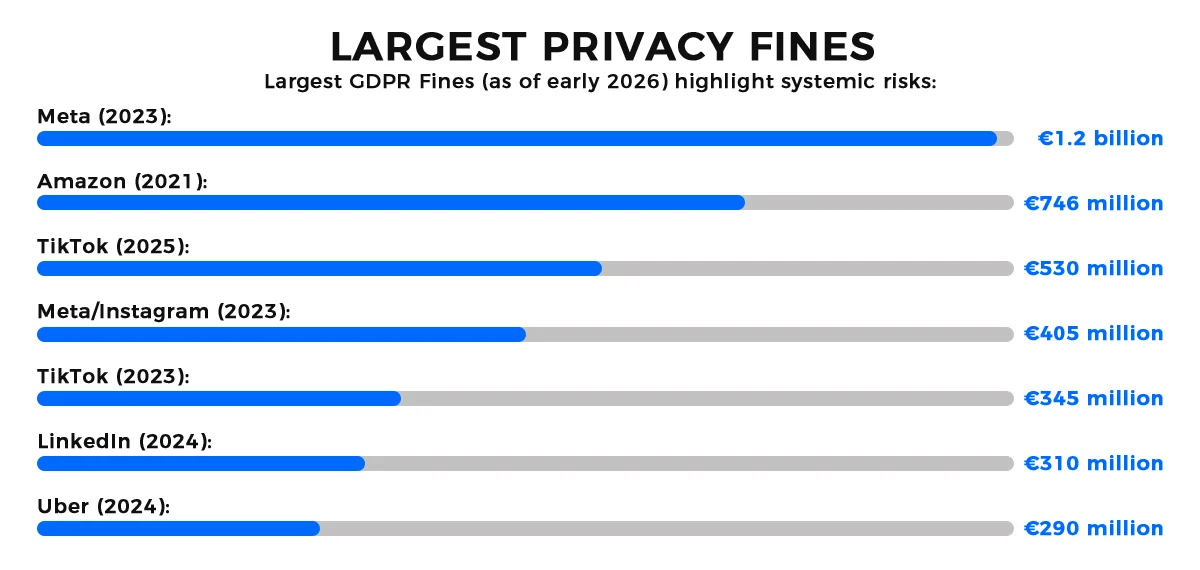
Крупнейшие штрафы GDPR (на начало 2026 года) подчёркивают системные риски:
● Meta (трансграничные передачи данных ЕС-США, 2023): 1,2 млрд евро
● Amazon (Люксембург, 2021): 746 млн евро
● TikTok (передачи данных в Китай, 2025): 530 млн евро
● Meta/Instagram (данные детей, 2023): 405 млн евро
● TikTok (данные детей, 2023): 345 млн евро
● LinkedIn (рекламные данные, 2024): 310 млн евро
● Uber (данные водителей ЕС-США, 2024): 290 млн евро
Только первые три вместе составляют 2,48 млрд евро. Шесть из семи крупнейших связаны с трансграничными передачами (часто ЕС-США или ЕС-Китай). Более 1,28 млрд евро крупнейших штрафов касаются обработки данных детей, что подчёркивает повышенное внимание к несовершеннолетним. Каждый из десяти крупнейших штрафов был направлен против технологической платформы, подчёркивая риски в насыщенных данными цифровых сервисах.
E. Расширение сферы правоприменения
Правоприменение выходит за рамки крупных технологий. Высокое количество действий в Испании в основном направлено против компаний среднего сегмента. Регуляторы всё чаще проверяют малые и средние предприятия, ритейлеров, энергетические компании и работодателей, что указывает на то, что соблюдение GDPR является общеорганизационным императивом.
Ⅲ. Ландшафт приватности в США: лоскутное одеяло на уровне штатов без федерального единства
A. Законы штатов о приватности в США
США не имеют всеобъемлющего федерального закона о приватности, что приводит к растущему лоскутному регулированию на уровне штатов. 20 штатов теперь имеют всеобъемлющее законодательство о приватности. Это создаёт сложность соблюдения для национального бизнеса, оставляя при этом крупные штаты, такие как Нью-Йорк, Иллинойс и Пенсильвания, без широкого охвата (Иллинойс сохраняет отраслевой BIPA для биометрии).
B. Обзор калифорнийских CCPA/CPRA
Калифорнийские CCPA/CPRA остаются самыми строгими и применяются специализированным Агентством по защите приватности Калифорнии (CPPA). Штрафы достигают 7988 долларов за умышленное нарушение, с более высокими суммами для несовершеннолетних. CPPA выписала штраф в 1,35 млн долларов компании Tractor Supply в 2025 году за неработающий механизм «Не продавать» и продолжает вести сотни расследований. Новые правила 2026 года требуют проведения аудитов кибербезопасности и оценок рисков для технологий автоматизированного принятия решений.
C. Сравнение законов штатов
Ключевые различия между законами штатов:
● Колорадо: требуется универсальный механизм отказа.
● Коннектикут: нет срока на устранение нарушений.
● Мэриленд: самая сильная защита данных сотрудников.
● Вирджиния: нет частного права на иск.
Все 20 законов предоставляют потребителям права на доступ, удаление, исправление и отказ от продажи данных, но определения, пороги и правоприменение различаются. Эта фрагментация усиливает штраф в 1,22 млн долларов за несоблюдение, выявленный в исследовании IBM. (IBM Cost of a Data Breach Report 2025)
Ⅳ. Отношение потребителей: от обеспокоенности к действиям
A. Осведомлённость и поведение потребителей в отношении приватности
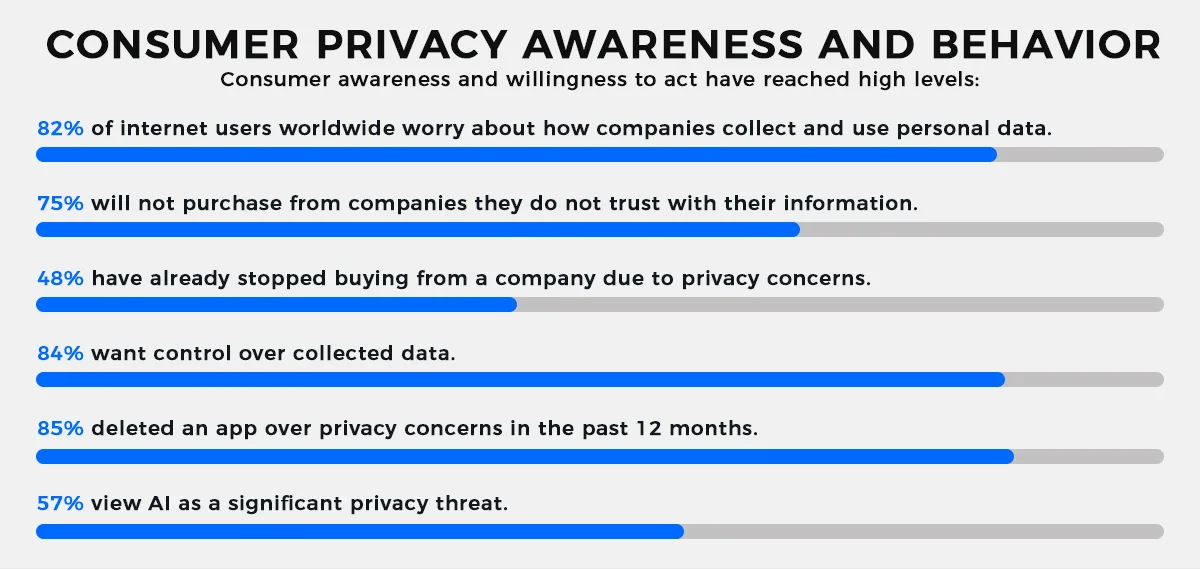
Осведомлённость и готовность действовать достигли высокого уровня:
● 82 % пользователей интернета по всему миру беспокоятся о том, как компании собирают и используют персональные данные.
● 75 % не будут покупать у компаний, которым не доверяют свою информацию.
● 48 % уже перестали покупать в какой-то компании из-за проблем с приватностью.
● 84 % пользователей хотят контролировать свои данные.
● 85 % удалили приложение из-за проблем с приватностью за последние 12 месяцев.
● 57 % считают ИИ серьёзной угрозой приватности.
B. Проблемы приватности и действия потребителей
Компании социальных сетей возглавляют список опасений с 53 %, за ними следуют правительства (46 %) и поисковые системы (43 %). Это согласуется с крупными штрафами GDPR против Meta, TikTok и LinkedIn. Молодые пользователи и те, кому предлагают явный выбор (например, App Tracking Transparency от Apple, где 96 % отказались), демонстрируют более высокие показатели действий. Приватность превратилась в фактор покупки с прямым влиянием на выручку. Разрыв между обеспокоенностью (82 %) и действием (48 %) сокращается, создавая риск для организаций, медленно адаптирующихся. К другим видам поведения относятся 82 % отказа от обмена данными и 78 % полного избегания сайтов из-за проблем с приватностью.
Ⅴ. Инвестиции в приватность, ROI и экономическое воздействие
A. Инвестиции в приватность и ROI
Организации всё чаще рассматривают приватность как драйвер ценности, а не просто издержку. 96 % сообщают, что отдача от инвестиций в приватность превышает затраты, при медианном ROI 1,6x. Среднегодовые расходы на приватность составляют 2,7 млн долларов, но 38 % организаций теперь выделяют 5 млн долларов и более в год — резкий рост с 14 % в 2024 году (рост в 2,7 раза). 90 % расширили программы приватности из-за внедрения ИИ.
B. Преимущества инвестиций в приватность
Ключевые упомянутые преимущества:
● Повышенная лояльность клиентов: 79 %
● Улучшенная операционная эффективность: 78 %
● Рост инноваций: 78 %
● Снижение потерь от безопасности: 76 %
C. Деловая ценность проактивной приватности
Проактивные меры приносят экономию. Планирование реагирования на инциденты экономит в среднем 2,66 млн долларов на каждую утечку. Внедрившие DevSecOps видят снижение стоимости утечек до 3,89 млн долларов против среднемирового показателя в 4,44 млн долларов. И наоборот, 32 % пострадавших от утечек организаций заплатили регуляторные штрафы, причём 25 % из них превысили 250 000 долларов.
Ⅵ. ИИ, теневой ИИ и возникающие проблемы управления
A. Риски теневого ИИ
ИИ порождает значительные новые риски. Утечки с участием теневого ИИ (несанкционированных ИИ-инструментов) в среднем обходятся в 4,63 млн долларов — на 670 000 долларов дороже стандартных утечек. У 63 % организаций нет формальных политик управления ИИ, а у 83 % нет механизмов, предотвращающих загрузку конфиденциальных данных в общедоступные ИИ-инструменты. 60 % уже столкнулись с раскрытием данных из-за использования публичного генеративного ИИ.
B. Состояние управления ИИ
Только 12 % поддерживают зрелые, проактивные комитеты по управлению ИИ. 99 % планируют перераспределить ресурсы бюджета приватности в пользу инициатив ИИ, что отражает интеграцию, а не сокращение. Закон ЕС об ИИ (полная применимость в августе 2026 года) запрещает определённые практики (например, социальную оценку и биометрическое наблюдение в реальном времени в общественных местах) и вводит штрафы до 7 % глобального оборота, которые могут суммироваться со штрафами GDPR.
C. Практики управления ИИ
Зрелые программы включают инвентаризацию ИИ, оценку воздействия перед развёртыванием, контроль загрузки и состязательное тестирование (только 22 % в настоящее время реализуют последнее; 45 % требуют одобрения перед использованием).
Ⅶ. Отраслевые различия в стоимости утечек и их последствия
A. Стоимость утечек данных
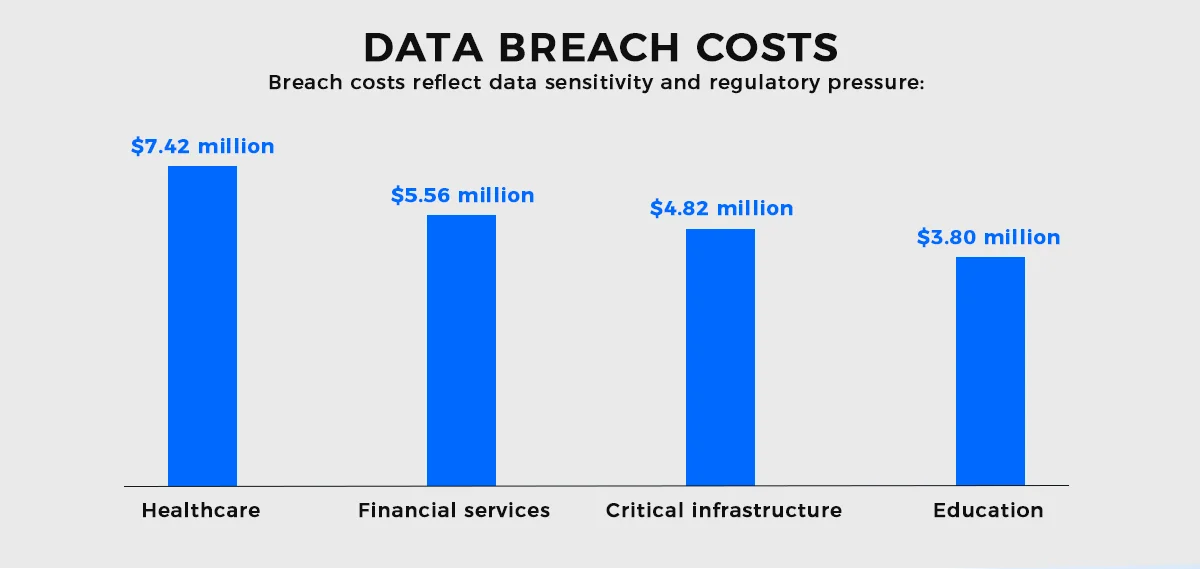
Стоимость утечек отражает чувствительность данных и регуляторное давление:
● Здравоохранение: 7,42 млн долларов (самая высокая 14 лет подряд).
● Финансовые услуги: 5,56 млн долларов.
● Критическая инфраструктура: 4,82 млн долларов.
● Образование: 3,80 млн долларов.
B. Воздействие утечек данных
Персональная информация клиентов (PII) фигурирует в 53 % утечек. Инциденты продолжительностью более 200 дней в среднем стоят 5,01 млн долларов. Регулируемые секторы сталкиваются с более высокими затратами из-за штрафов и восстановления, но также выигрывают от более строгих базовых практик. (IBM Cost of a Data Breach Report 2025)
Ⅷ. Перспективы на будущее и стратегические приоритеты
В 2026 году конфиденциальность данных сталкивается с многочисленными вызовами, включая почти повсеместное законодательство, всё более строгое правоприменение, расширенные права потребителей и сложности искусственного интеллекта.
Ключевые закономерности включают:
● Высокие риски при трансграничных передачах.
● Приоритетное правоприменение в отношении данных детей.
● Подтверждённая положительная отдача от программ приватности.
● Острая необходимость в управлении ИИ до Закона ЕС об ИИ.
Организациям следует уделять первоочередное внимание картированию потоков данных и правовых оснований, внедрению надёжных механизмов контроля ИИ, инвестициям в реагирование на инциденты, обеспечению видимой прозрачности для потребителей и отслеживанию меняющегося ландшафта законов штатов США. Те, кто рассматривает приватность как стратегический фактор, связывающий инвестиции, управление и доверие, лучше всего смягчат риски, защитят выручку и создадут долгосрочное конкурентное преимущество в регулируемом, ориентированном на приватность мире.
Ⅸ. Ответ и резюме
Ландшафт конфиденциальности данных в 2026 году ясно виден: законодательство почти повсеместно, правоприменение усиливается, трансграничные передачи данных являются крупным источником штрафов, поведение и отношение потребителей меняются, а стремительное внедрение искусственного интеллекта создаёт новые пробелы в управлении.
Общий корень этих проблем кроется в том, что обработка и хранение данных в конечном итоге происходят через неуправляемые терминальные устройства, такие как мобильные телефоны и ноутбуки, — именно самое слабое звено в цепочке безопасности. Даже самые строгие правила не могут компенсировать неотъемлемые недостатки доверия самих терминалов.
Проверенный и эффективный подход — отделить чувствительную информацию от терминала и хранить и обрабатывать её на независимых, защищённых от вмешательства аппаратных устройствах, физически разрывая риск утечки данных, вызванный прямым контактом.
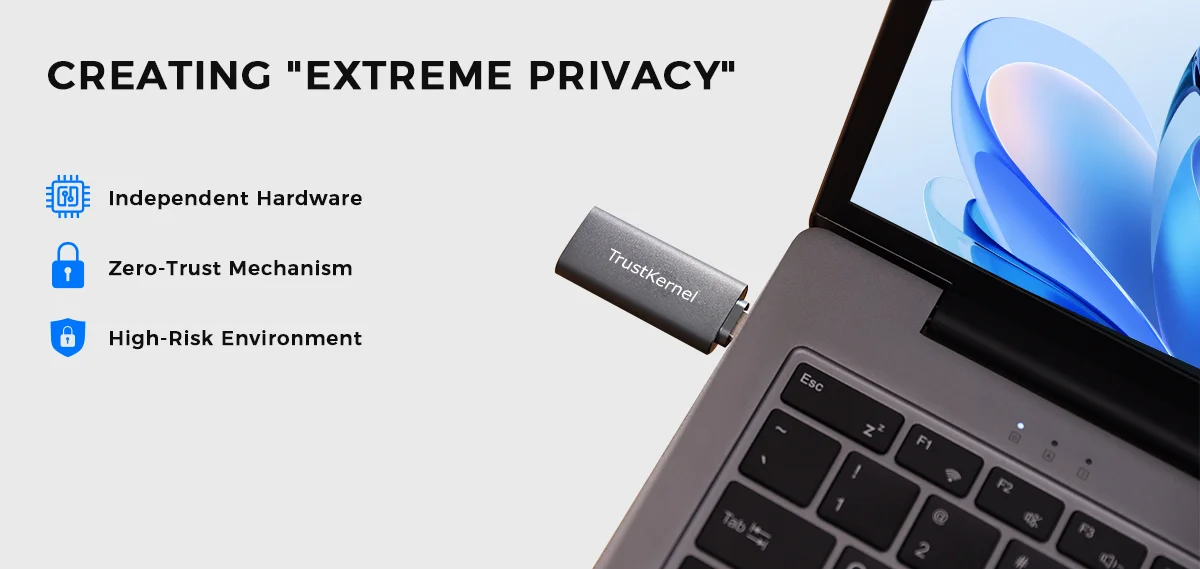
PlugOS — это защищённая операционная система, построенная на этой концепции. Он устраняет возможность утечки данных прямо на терминале-источнике, устанавливая защиту приватности на основе принципа «не доверять терминалу». Одновременно PlugOS защищает личную приватность несколькими механизмами внутри системы, включая виртуализацию датчиков, зашифрованную работу и архитектуру нулевого знания.
Ссылки
1、 Статистика конфиденциальности данных [2026]: 51+ закон, штрафы и тренды. Источник: https://app.stationx.net/articles/data-privacy-statistics#key-numbers
2、Graham Greenleaf, Global Data Privacy Laws 2025: 172 Countries. Источник: https://papers.ssrn.com/sol3/papers.cfm?abstract_id=5275559
3、DLA Piper GDPR Fines and Data Breach Survey: январь 2026. Источник: https://www.dlapiper.com/insights/publications/2026/01/dla-piper-gdpr-fines-and-data-breach-survey-january-2026
4、DLA Piper GDPR Fines and Data Breach Survey: январь 2025. Источник: https://www.dlapiper.com/insights/publications/2025/01/dla-piper-gdpr-fines-and-data-breach-survey-january-2025
5、Cisco 2025 / 2026 Data Privacy Benchmark Study. Источник: https://www.cisco.com/c/en/us/about/trust-center/data-privacy-benchmark-study.html
6、IBM Cost of a Data Breach Report 2025. Источник: https://www.ibm.com/reports/data-breach
7、IAPP US State Privacy Legislation Tracker. Источник: https://iapp.org/resources/article/us-state-privacy-legislation-tracker
8、GDPR Enforcement Tracker. Источник: https://www.enforcementtracker.com/
9、WEF Global Cybersecurity Outlook 2025. Источник: https://reports.weforum.org/docs/WEF_Global_Cybersecurity_Outlook_2025.pdf
Подпишитесь на рассылку, чтобы первыми получать аналитику по безопасности и эксклюзивные обновления
 PlugOS — компактное умное устройство, ваша конфиденциальность под контролем
Безопасно · Без рекламы · Без отслеживания · Без сбора фоновых данных
Copyright © 2024-2026 TrustKernel
Политика конфиденциальности | Пользовательское соглашение